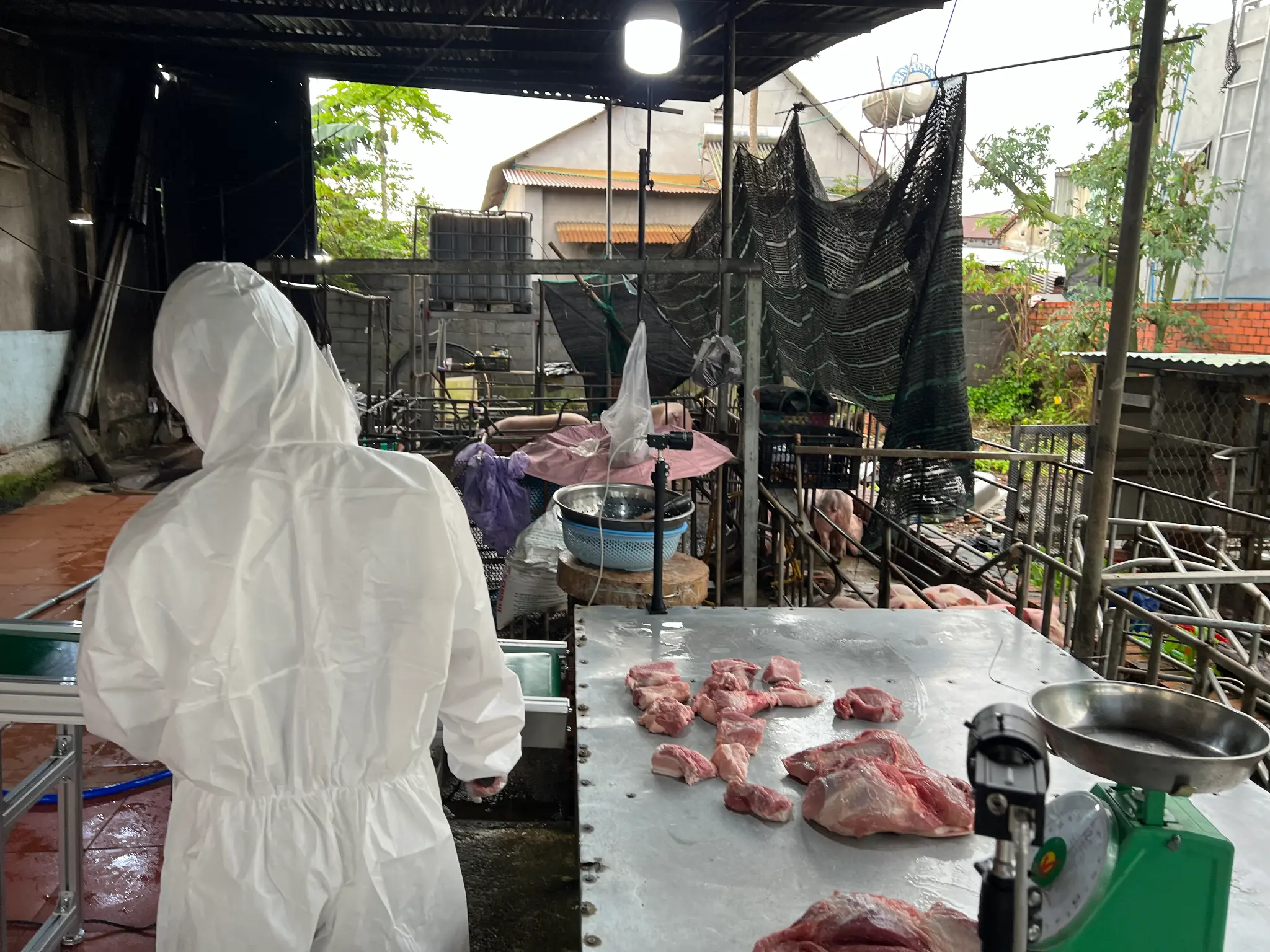
The Dawn of Precision Pig Farming
The global demand for pork is relentless, yet the industry faces a perfect storm of challenges: rising feed costs, stringent environmental regulations, and the ever-present threat of disease outbreaks. Traditional pig farming, reliant on manual observation and reactive measures, is struggling to keep pace with the need for efficiency and sustainability. A revolution is needed, and it is being delivered by companies like Trackfarm, which is leveraging the power of Artificial Intelligence (AI), the Internet of Things (IoT), and advanced Data Analytics to redefine livestock management.
Trackfarm is not just an incremental improvement; it is a fundamental shift towards Precision Pig Farming. By treating each animal and each pen as a data point in a vast, interconnected network, Trackfarm empowers farmers to move from generalized herd management to individualized, proactive care. This deep dive explores the technological core of Trackfarm, revealing how its integrated system is driving unprecedented levels of productivity, animal welfare, and profitability.
Pillar 1: The Internet of Things (IoT) – Building the Digital Farm
The foundation of the Trackfarm system is a robust and comprehensive IoT infrastructure that turns the physical farm environment into a rich source of real-time data. This digital transformation begins with a network of specialized sensors and devices strategically placed throughout the facilities.
Environmental Intelligence: Beyond Temperature
While monitoring temperature is standard, Trackfarm’s IoT goes far deeper. High-precision sensors continuously track critical environmental factors that directly impact pig health and growth:
- Air Quality: Monitoring ammonia, hydrogen sulfide, and carbon dioxide levels. Poor air quality is a primary contributor to respiratory diseases, and Trackfarm provides immediate alerts when thresholds are breached, allowing for automated ventilation adjustments.
- Humidity and Ventilation: Maintaining the optimal humidity range is crucial for preventing heat stress and the proliferation of pathogens. The system integrates with existing HVAC and ventilation systems to create a perfectly controlled microclimate.
- Water and Feed Consumption: Smart dispensers and meters track consumption patterns down to the individual pen, providing the first layer of behavioral data. A sudden drop in water intake, for example, is often the earliest indicator of illness.
Individualized Tracking: The Digital Identity of Every Pig
The most transformative aspect of Trackfarm’s IoT is its ability to monitor individual animals without the need for intrusive physical tags. This is achieved through a combination of technologies:
- Computer Vision Systems: High-resolution cameras are mounted to observe the pigs 24/7. These cameras capture movement, posture, and interaction data.
- Acoustic Sensors: Microphones are used to detect and analyze sounds, such as coughing, sneezing, or aggressive vocalizations, which are often precursors to health or welfare issues.
- Thermal Imaging: Used to detect localized temperature spikes, which can indicate inflammation or fever in individual animals long before visible symptoms appear.
This constant stream of data—millions of data points per day—is the lifeblood of the system, flowing through a secure, low-latency network to the central processing unit.
Pillar 2: Artificial Intelligence – The Brain of the Operation
The sheer volume of data collected by the IoT network would be overwhelming for any human manager. This is where Trackfarm’s proprietary AI algorithms step in, transforming raw data into actionable intelligence. The AI engine is trained on massive datasets of healthy and distressed pig behavior, allowing it to recognize subtle anomalies that are invisible to the human eye.
Behavioral Anomaly Detection
The AI’s primary function is to serve as an omnipresent, tireless observer. It analyzes video and sensor data to detect deviations from normal behavior:
- Activity Levels: A pig that is significantly less active than its peers, or one that is pacing excessively, is flagged for potential issues.
- Social Interaction: Changes in grouping behavior, such as isolation or increased aggression, can signal stress or the onset of a social hierarchy problem.
- Feeding Posture and Duration: The AI can detect if a pig is struggling to reach the feeder or spending less time eating, which are key indicators of appetite loss.
Predictive Health and Disease Modeling
Perhaps the most valuable application of the AI is its ability to predict health issues before they become full-blown outbreaks. By correlating multiple data streams—a slight increase in pen temperature, a small cluster of coughs detected by the acoustic sensor, and a minor dip in water consumption—the AI can generate a high-confidence alert for a specific pen or even a specific animal.
This predictive capability allows for targeted intervention, minimizing the use of antibiotics and preventing the rapid spread of contagious diseases, which is a major economic and ethical win for the industry.
Feed Optimization and Growth Modeling
Feed represents the largest operational cost in pig farming. Trackfarm’s AI uses a sophisticated growth model that considers the pig’s current weight (estimated via computer vision), age, breed, and individual health status to recommend the precise feed composition and quantity. This hyper-personalized approach ensures optimal feed conversion ratio (FCR), reducing waste and accelerating time to market.
| Feature | Traditional Farming | Trackfarm AI-Driven Farming | Improvement |
|---|---|---|---|
| Disease Detection | Visual observation (24-48 hours) | Real-time sensor/acoustic analysis (0-6 hours) | Up to 90% faster |
| Feed Conversion Ratio (FCR) | Herd average (e.g., 2.8:1) | Individualized optimization (e.g., 2.5:1) | Significant cost savings |
| Mortality Rate | Industry average (e.g., 5-7%) | Reduced by proactive intervention (e.g., 2-3%) | Enhanced profitability |
| Labor Efficiency | High (constant manual checks) | Low (focus on flagged anomalies) | Reallocation of labor |
Pillar 3: Data Analytics – Transforming Data into Profit
The final pillar of the Trackfarm ecosystem is the advanced data analytics platform, which translates the AI’s findings into clear, actionable insights for the farm manager. This is the interface where the technology meets the farmer’s expertise.
The Real-Time Operational Dashboard
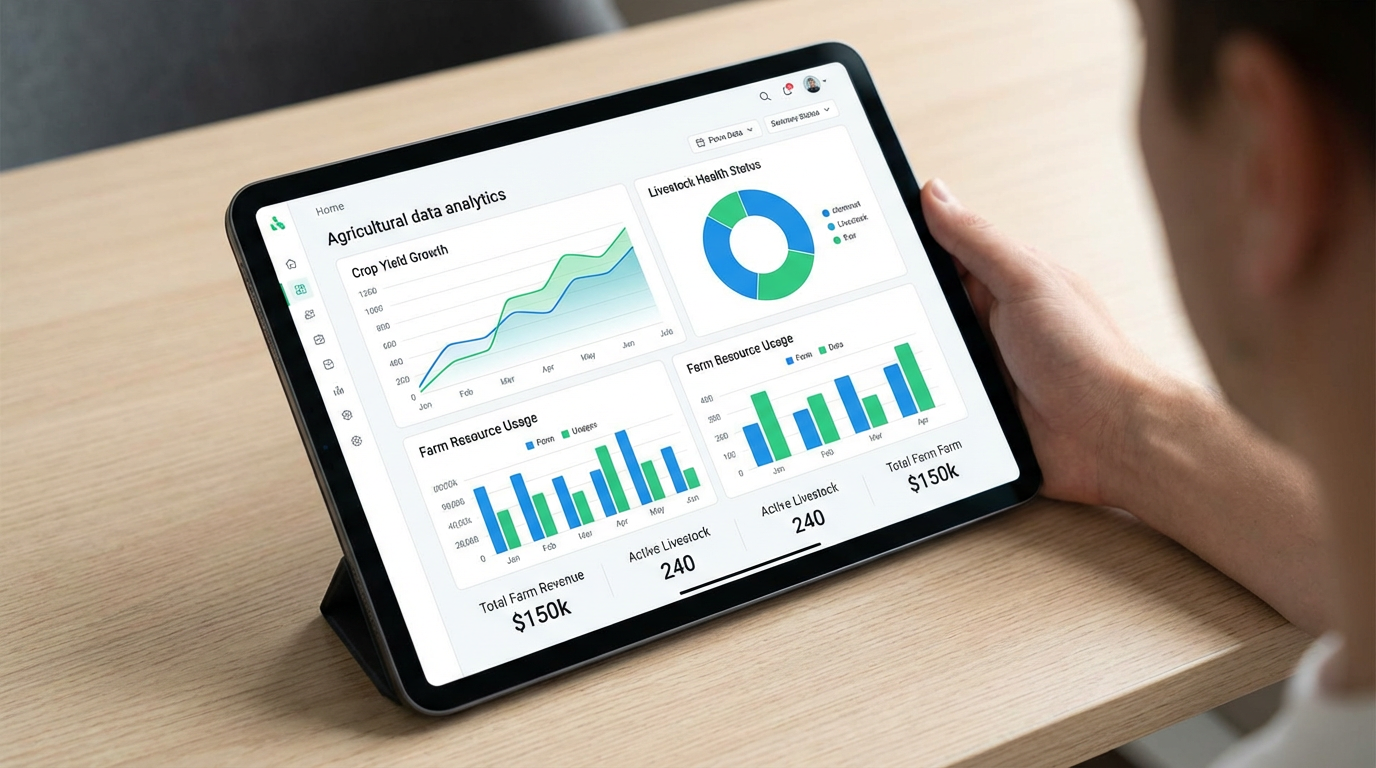
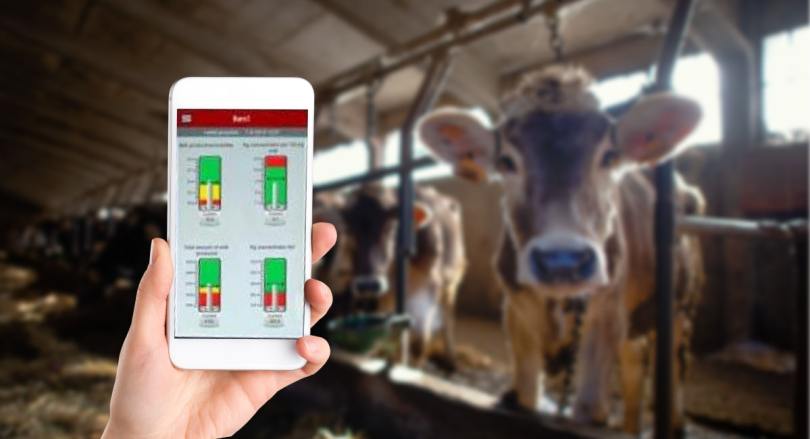
The core of the analytics platform is a comprehensive, customizable dashboard that provides a single pane of glass view into the entire operation. Key performance indicators (KPIs) are displayed in real-time, including:
- Health Scorecard: A color-coded system that highlights pens or groups requiring immediate attention.
- Growth Trajectory: Visual comparison of actual growth against predicted optimal growth curves.
- Resource Consumption: Detailed breakdowns of water, feed, and energy usage, identifying areas of inefficiency.
This level of transparency allows farm managers to make data-driven decisions instantly, rather than waiting for weekly reports or relying on intuition.
Long-Term Strategic Planning
Beyond daily operations, the analytics platform provides powerful tools for long-term strategic planning. By analyzing historical data across multiple production cycles, Trackfarm can identify systemic issues related to facility design, genetics, or seasonal management practices.
For instance, the system might reveal that a specific ventilation setting in the summer months consistently leads to a minor, but measurable, drop in FCR. The farmer can then adjust the standard operating procedure for the following year, leading to sustained, long-term efficiency gains. This continuous feedback loop is essential for maximizing the genetic potential of the herd and the operational potential of the farm.
A Closer Look: The Cough Detection Algorithm
One of Trackfarm’s most celebrated features is its sophisticated acoustic monitoring system, which powers the Cough Detection Algorithm (CDA). Respiratory diseases are a constant threat in dense pig populations, and early detection is paramount.
The CDA uses deep learning models to filter out background noise (like machinery, squeals, and grunts) and isolate the distinct sound of a pig cough. It doesn’t just count coughs; it analyzes the frequency, intensity, and pattern of the coughing within a pen.
If the system detects a statistically significant increase in the cough rate—for example, a 30% increase over the 24-hour rolling average—it triggers a high-priority alert. This allows the farmer to isolate the affected pen and begin treatment or diagnostics hours, or even days, before the disease would have been visually apparent. This proactive measure drastically reduces the need for mass medication and minimizes the risk of a farm-wide epidemic.
The Economic and Ethical Imperative
The adoption of Trackfarm’s technology is driven by a dual imperative: economic necessity and ethical responsibility.
Economic Benefits:
- Reduced Costs: Lower feed consumption due to optimization, reduced veterinary costs due to early intervention, and lower energy costs due to smart environmental control.
- Increased Yield: Faster growth rates and significantly reduced mortality lead to a higher number of market-ready pigs per cycle.
- Labor Optimization: Automation of monitoring tasks allows skilled labor to focus on high-value activities, such as animal care and strategic planning.
Ethical Benefits (Animal Welfare):
- Stress Reduction: Maintaining optimal environmental conditions minimizes heat and cold stress.
- Individualized Care: Early detection of illness means faster, more targeted treatment, reducing suffering.
- Reduced Antibiotic Use: Predictive health management supports a significant reduction in the prophylactic use of antibiotics, addressing a major global public health concern.
Trackfarm is proving that the most profitable farm is also the most humane and sustainable farm.
The Future is Connected: Trackfarm’s Vision
Trackfarm is continuously evolving. The future roadmap includes integrating genetic data into the AI models for even more precise growth predictions and developing advanced robotics for automated cleaning and feeding based on real-time data.
The vision is a fully autonomous, self-optimizing farm where human intervention is only required for strategic oversight and direct animal interaction. By harnessing the power of AI, IoT, and Data Analytics, Trackfarm is not just preparing for the future of pig farming—it is building it today. The era of guesswork is over; the era of precision is here.